
BLOG
How MV Painting Approaches Residential and Commercial Painting Across Different Property Types
Residential and commercial painting share the same basic requirement: the coating needs a properly prepared surface and must suit the conditions where it will be used. Beyond that, the priorities can differ considerably.
A family home may have bedrooms, living areas, timber trims, exterior walls and outdoor surfaces that experience different levels of wear. Commercial properties can include offices, shops and other workplaces where walls may receive heavier contact, regular cleaning or greater daily traffic.
MV Painting works across residential and commercial properties in Newcastle and the Hunter Valley. Approaching these properties properly means looking beyond whether a project is labelled residential or commercial and assessing the substrate, existing coating, level of use and required finish.
Surface Condition Comes Before the Property Type
Preparation should be based on the surface being painted rather than whether the building is a home or business.
Previously painted surfaces need to be clean and dry. Loose, peeling, flaking or chalky paint should be removed, while glossy coatings generally need to be dulled before another coating is applied. Bare and repaired areas may also require appropriate priming.
The same principles apply in a house, office or shop, but the condition encountered can vary.
An established home may contain several generations of paint, repaired plaster, timber trims and areas renovated at different times. A commercial property may have heavily marked walls, patched sections following fit-out changes or surfaces exposed to frequent contact.
Substrate differences matter as well. Plasterboard, timber, masonry and metal do not automatically receive identical preparation or coating systems. Exterior masonry can also develop efflorescence, while steel requires rust to be addressed before suitable priming and repainting.
Identifying these conditions first prevents the project from being planned around appearance alone.
Residential Painting Has Different Wear Patterns From Room to Room
Inside a house, paint does not experience equal wear throughout the property.
Hallways, living rooms, kitchens, doors and trims generally receive more contact than spare bedrooms or ceilings. The finish selected for these areas can affect how easily marks can be cleaned and how visible scuffing becomes.
For example, Dulux Professional guidance notes that higher sheen levels can provide greater resistance to scuffing and marking in high-traffic areas than a flat interior coating. It also notes that darker colours can show marking and scuffing more readily in frequently used areas.
This is one reason paint selection should consider how a room is actually used.
Existing features also influence residential colour decisions. Flooring, cabinetry, benchtops, tiles and natural light may remain unchanged after repainting, so wall colours need to be considered alongside those fixed elements.
Exterior residential work introduces another set of conditions. Walls, timber, metalwork and other exposed surfaces have to withstand sunlight, rain and temperature changes. The coating used indoors is therefore not automatically appropriate outside.
Commercial Properties Can Put Greater Demands on Painted Surfaces
Commercial painting can involve a wider scale than residential work, but size is not the only difference.
A workplace may have corridors, entrances, waiting areas or other sections exposed to repeated contact throughout the day. Commercial spaces can also require frequent cleaning, making durability and washability more significant considerations when choosing a finish.
Dulux's commercial construction guidance identifies hard-wearing, washable surfaces as important in demanding commercial areas because they may experience constant foot traffic and regular cleaning. Some settings can also require specialist coatings depending on the building's function.
A coating appropriate for a low-use residential bedroom may therefore be a poor match for a busy commercial wall.
Commercial buildings also vary significantly. The painting requirements of an office are not automatically the same as those of a restaurant, medical facility, school or manufacturing property. Different surfaces, traffic levels and cleaning requirements can change the coating specification.
For MV Painting, this makes the actual use of the property a practical starting point rather than assuming every commercial project requires the same system.
Australian Painting Requirements Still Apply to Preparation
Product selection should be supported by recognised painting practices.
Australian paint specifications commonly reference AS 2311, The Painting of Buildings. Dulux Professional product documentation states that preparation and painting must conform to this standard across several interior and exterior coating systems.
This reinforces a basic point that applies to both residential and commercial work: the final coating cannot compensate for an unsuitable substrate.
Loose paint, surface contamination, untreated rust, poorly repaired cracks or incompatible existing coatings can affect the performance of whatever is applied over them.
New surfaces can have their own requirements. For example, Dulux Professional guidance specifies curing periods for unpainted masonry and particular preparation for bare timber, galvanised iron and steel.
Painting therefore involves identifying what the surface is, its condition and what preparation is required before selecting the finishing system.
The Building's Use Should Guide the Painting Plan
The distinction between residential and commercial painting is useful, but it does not tell the whole story.
A busy rental home can experience substantial wall wear. A small office may have relatively light use. A commercial entrance can require a harder-wearing finish than a private office within the same building. Exterior surfaces can have entirely different requirements again.
A practical painting plan looks at these differences individually.
For residential properties, that can mean considering room usage, existing finishes, exterior exposure and the condition of older coatings. For commercial properties, daily traffic, cleaning requirements, surface durability and the function of each area can become more significant.
The common factor is preparation. Whether the property is a Newcastle home or a commercial building, the coating system should start with a sound, clean and appropriately prepared substrate and finish with paint selected for the conditions the surface will actually face.
DISCOVER WHAT OUR CUSTOMERS HAVE TO SAY ABOUT US
REVIEWS
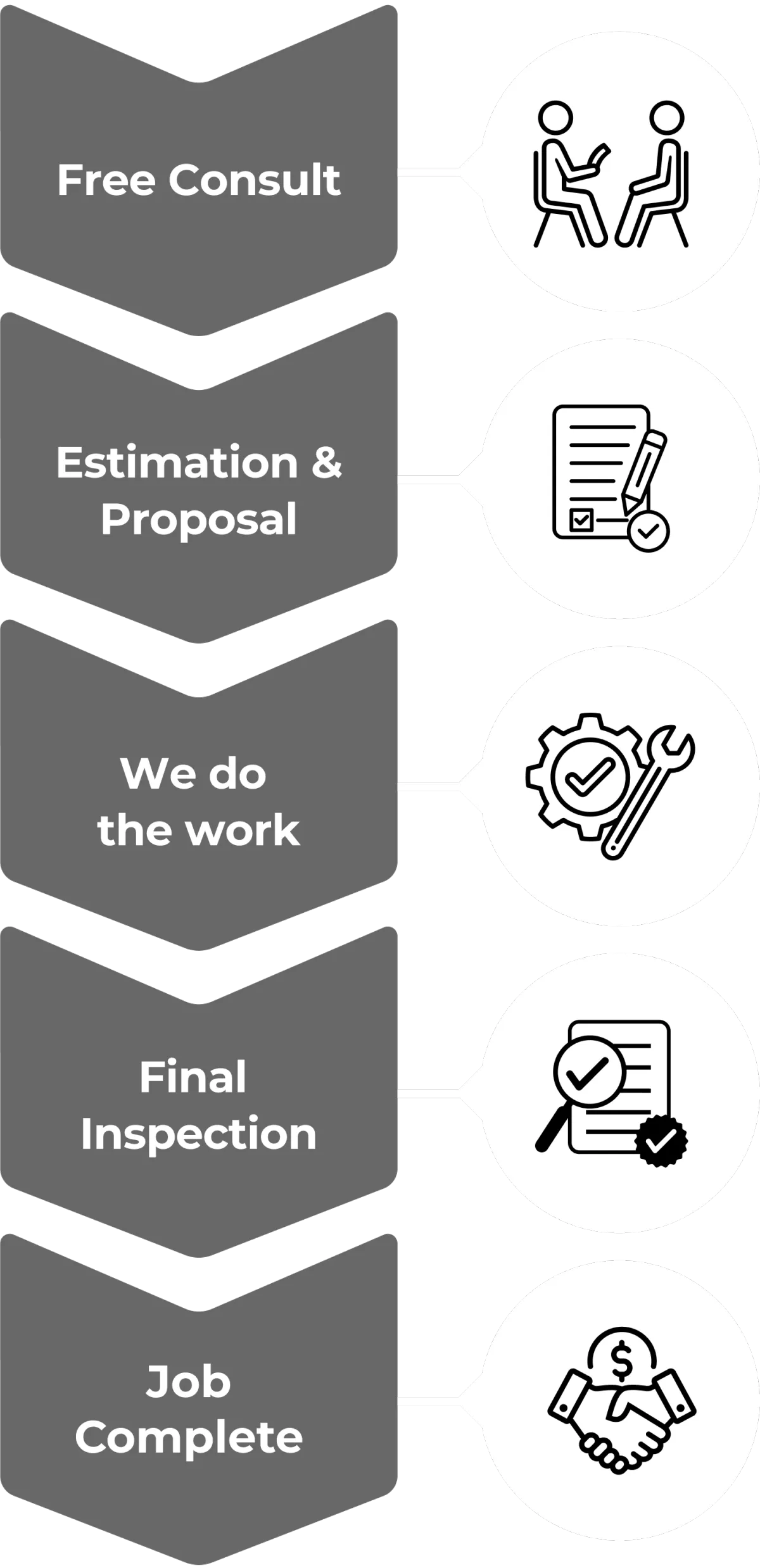
our process
Our process is simple and only contains a few simple steps

SERVICE AREAS
proudly serving Maitland
East Maitland
Maitland
Rutherford
Thornton
Ashtonfield
Beresfield
Woodberry
Hamilton
Newcastle
Fletcher
Wallsend
Mayfield
Merewether
Waratah

frequently asked questions
Find clear answers to the questions we’re asked most often.
How does the repair process work?
Once you contact Appliance Repair Solutions, a technician will discuss the issue with you and arrange a suitable inspection time. The problem is diagnosed on site, and clear advice is provided before any repair work begins. The goal is to complete repairs efficiently while keeping communication straightforward throughout the process.
How quickly can I book a technician?
Service availability depends on your location and the type of appliance issue. In many cases, same day or next day bookings may be available across Sydney. The team aims to respond promptly and provide flexible scheduling where possible.
Do you provide quotes before starting repairs?
Yes. After assessing the appliance and identifying the fault, you will receive clear information about the recommended repair and expected costs. This helps customers make informed decisions before approving any work.
What should I do before the technician arrives?
It helps to clear access around the appliance and make note of any error codes or unusual behaviour. If possible, have the appliance model number available as this can assist with diagnosing the issue faster. The technician will guide you through anything else needed when confirming the booking.
What should I do before the technician arrives?
It helps to clear access around the appliance and make note of any error codes or unusual behaviour. If possible, have the appliance model number available as this can assist with diagnosing the issue faster. The technician will guide you through anything else needed when confirming the booking.
proudly serving Baulkham Hills
Homebush
Gladesville
Leichhardt
North Sydney
Mosman
Box Hill
Marsden park

Trusted & Accredited Plumbers
READY TO GET YOUR HOME PAINTED?
get a free quote TODAY!
MV Painting PTY LTD
Larkspur Parade Metford 2323
